
There is no shortage of hair care advice floating around. From age-old remedies passed down through generations to tips you read on social media, it can be hard to separate fact from fiction when it comes to maintaining healthy hair. To help you make informed decisions and avoid falling for common misconceptions, we’re debunking the top five hair myths that many people still believe. Let’s get straight to the truth about what really works—and what doesn’t—for keeping your hair looking and feeling its best.
Myth: Cutting Your Hair Frequently Makes It Grow Faster
Debunked: Haircuts Don’t Influence Growth Rate
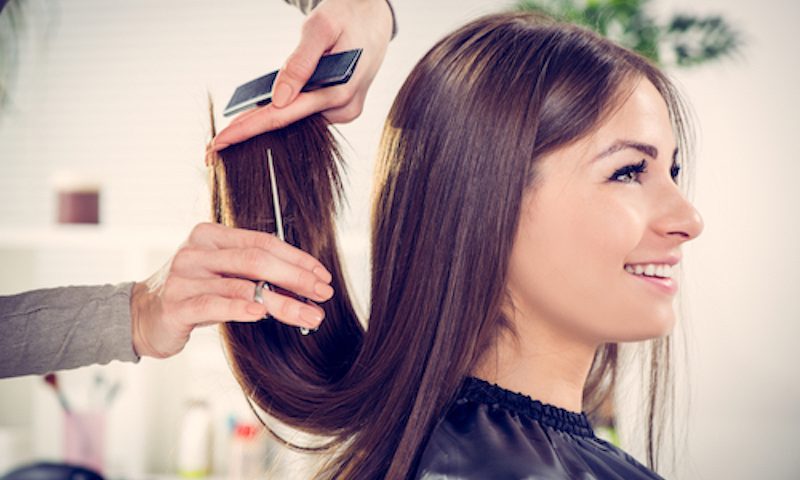
This is one of the most widespread hair myths out there, and while regular trims are essential for maintaining healthy hair, they won’t make your hair grow faster. Hair growth occurs at the root (in the scalp), not at the ends, so cutting the tips of your hair has no impact on the follicles where growth happens.
What trims do help with is preventing split ends from traveling up the hair shaft and causing breakage. Regular haircuts, usually every 6-8 weeks, can keep your hair looking healthier and thicker by eliminating damaged ends, but they won’t speed up the growth process.
Hair grows at an average rate of about half an inch per month, regardless of how often you trim it. To support healthy growth, focus on maintaining a balanced diet, staying hydrated, and taking good care of your scalp.
Myth: Shampooing Daily is Bad for Your Hair
Debunked: It Depends on Your Hair Type and Lifestyle
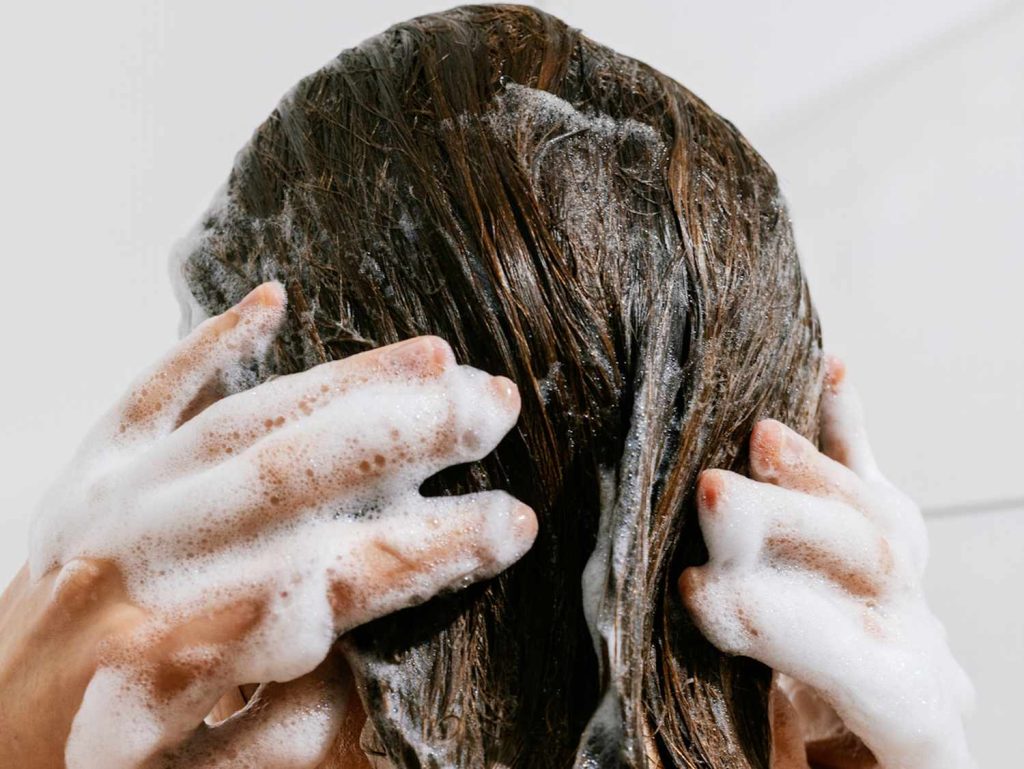
The idea that frequent shampooing is universally bad for your hair isn’t necessarily true. While overwashing can strip your hair of its natural oils, leading to dryness, not everyone needs to avoid washing daily. If you have an oily scalp, live in a hot or humid environment, or exercise frequently, you may find that daily washing helps maintain a clean, balanced scalp.
However, the key is choosing the right shampoo for your hair type. A mild, sulfate-free shampoo designed for daily use can prevent over-drying. On the other hand, if you have dry, curly, or color-treated hair, less frequent washing (every 2-3 days or even once a week) may be better for retaining moisture. Ultimately, it’s about finding a routine that works for your specific hair and lifestyle.
Myth: Brushing Your Hair 100 Strokes a Day Will Make It Healthier
Debunked: Over-brushing Can Cause Damage
This myth likely originated from the belief that brushing stimulates the scalp, encouraging hair growth by increasing circulation. While gentle brushing can help distribute natural oils from your scalp along your hair shaft, providing moisture and shine, brushing 100 times a day can lead to more harm than good.
Excessive brushing, particularly with the wrong tools, can cause hair breakage and damage the cuticle layer. Over time, this can lead to frizz, split ends, and even thinning hair. Instead of focusing on a specific number of strokes, use a wide-tooth comb or a soft-bristle brush to gently detangle your hair as needed, especially when it’s wet, as hair is more vulnerable to damage when wet.

Myth: You Should Never Use Conditioner if You Have Oily Hair
Debunked: Even Oily Hair Needs Moisture
Many people with oily hair skip conditioner, thinking it will only weigh their hair down and make it greasier. In reality, conditioner is essential for all hair types, including oily hair. Skipping conditioner can leave your hair dehydrated, prompting your scalp to produce even more oil to compensate for the lack of moisture.
The key is choosing the right conditioner. If you have oily hair, opt for lightweight, oil-free conditioners, and focus on applying them to the ends of your hair rather than your scalp. This will give your hair the hydration it needs without increasing oil production. If you’re still concerned about excess oil, you can condition your hair every other wash or use leave-in conditioners that provide moisture without heaviness.
Myth: Heat Protectants Completely Shield Your Hair from Damage
Debunked: Heat Protectants Minimize, But Don’t Eliminate Damage
Heat protectants are a must when using hot styling tools like straighteners, curling irons, and blow dryers, but it’s important to understand that they don’t completely prevent heat damage. Heat protectants form a barrier on the hair shaft, reducing moisture loss and minimizing the risk of breakage caused by high temperatures. However, they can’t make your hair invincible.
Even with the best heat protectants, using excessive heat or styling your hair too often can still lead to damage over time. To truly protect your hair, use heat tools on the lowest effective temperature setting, limit their use to a few times a week, and always apply a protectant before styling. Additionally, letting your hair air-dry as often as possible can reduce the need for heat styling altogether.
Conclusion
There’s no shortage of hair myths that can mislead even the most well-meaning hair enthusiasts. From misconceptions about hair growth to misunderstandings about how often you should wash your hair, it’s essential to separate fact from fiction. Regular trims won’t speed up growth, daily shampooing isn’t always bad, and yes, even oily hair needs conditioner. As for heat styling, heat protectants are helpful but not a total safeguard.
At the end of the day, taking good care of your hair comes down to using the right products for your hair type, maintaining a healthy diet, and avoiding common pitfalls like over-brushing or excessive heat. By debunking these myths, you can develop a hair care routine that truly supports healthier, stronger, and shinier hair.