
Lighting is often an unsung hero in the salon environment, playing a pivotal role not just in enhancing a space’s aesthetic but also in shaping the overall experience for clients and stylists alike. From setting a welcoming atmosphere to ensuring accurate colors and creating Instagram-worthy photos, proper lighting can have a powerful impact on a salon’s success. Whether you’re opening a new salon or looking to elevate your current space, understanding the influence of lighting can help you create an ambiance that makes clients feel comfortable, enhances the results of your services, and showcases your work in the best possible light.
Setting the Mood: Lighting as a Key Element of Salon Atmosphere
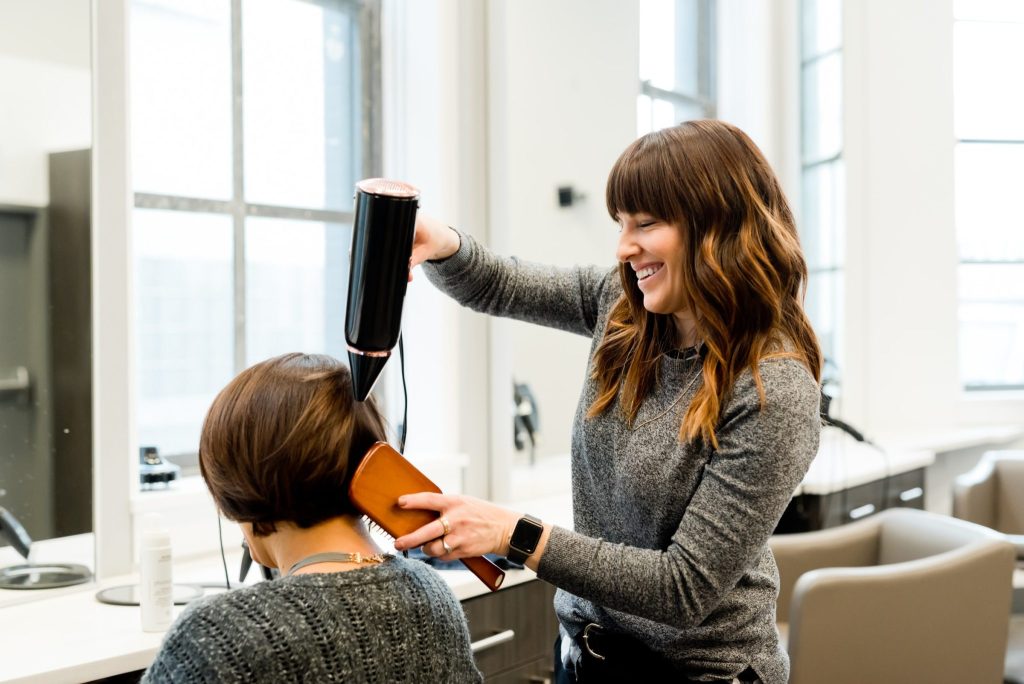
The lighting you choose in your salon affects the entire vibe of your space. For a relaxing, luxurious experience, warm and soft lighting can create a soothing atmosphere that instantly makes clients feel at ease. Conversely, bright, harsh lighting can make a space feel clinical or even uncomfortable. For a chic, modern vibe, consider a mix of natural and artificial lighting to create a balance that feels both fresh and inviting.
Dimmers are an excellent addition to any salon, as they allow you to adjust lighting levels depending on the time of day and service type. For example, bright lighting might be ideal for precision-based services like haircuts, but dimmer lighting could create a more tranquil environment for spa treatments. Color temperature also plays a role; a temperature of around 3000K to 3500K (often labeled as “warm white”) offers a comforting glow that enhances the space without overwhelming the eyes.

Accurate Color Representation: Essential for Hair Color and Makeup Services
One of the most critical functions of lighting in a salon is ensuring accurate color representation, especially for services like hair coloring and makeup applications. Lighting that is too warm or too cool can distort color perception, making it difficult for stylists to achieve the desired result and for clients to fully appreciate the work done.
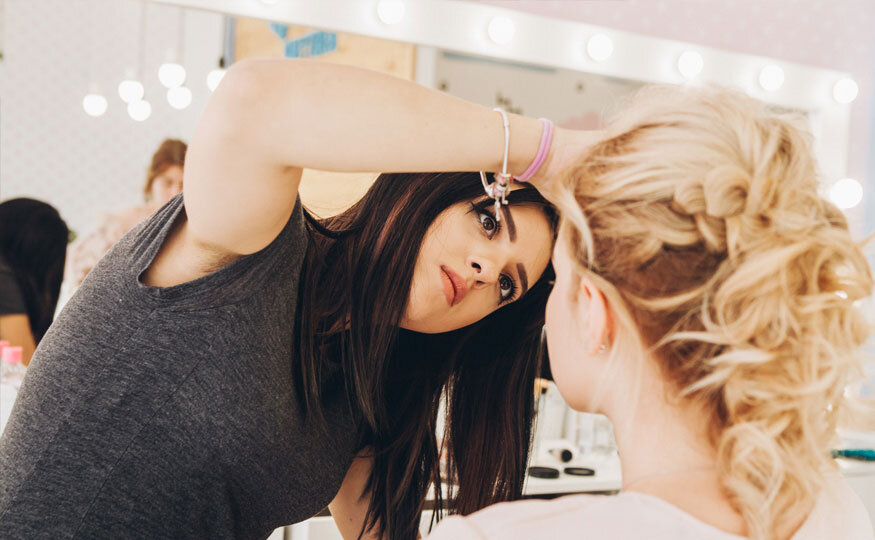
Natural daylight is often the gold standard for color accuracy, but it’s not always feasible to rely solely on windows, especially in interior spaces or for salons that operate into the evening. For these situations, daylight-mimicking LED lights are ideal, as they provide a consistent light quality similar to natural sunlight. LED lights with a color rendering index (CRI) of 90 or above are particularly effective in accurately displaying colors, allowing clients to see their true hair or makeup tones. This not only helps avoid disappointing “surprises” when clients leave but also reinforces their trust in your skills. Another great idea to ensure that client’s are seeing their results in the best possible light (pun intended) is to try some modern mirrors with lights in them like these.
Enhancing Photos and Social Media Appeal
In today’s digital age, an increasing number of clients discover salons through social media, especially Instagram and Facebook. This means that visually appealing photos are essential for attracting new customers. Good lighting plays a huge role in achieving photos that showcase your work effectively. Poor lighting can cast unflattering shadows, distort colors, or make styles look flat and lifeless.
For the best social media photos, consider setting up a designated photo area with lighting optimized for high-quality images. Ring lights or softbox lights are excellent choices for this purpose, as they provide even, flattering light that makes colors pop and gives hair a healthy shine. Position the light slightly above eye level to reduce shadows and achieve the most flattering angle. A well-lit photo area also encourages clients to snap their own pictures, potentially sharing them on social media and tagging your salon—a form of organic marketing that brings your work to new audiences. Here is one light which can really spice up social media appeal
Creating a Comfortable Workspace for Stylists
Lighting affects not only clients but also the professionals performing the services. Working in poorly lit or overly bright conditions can lead to eye strain and fatigue, which, over time, can impact the quality of service a stylist provides. Sufficient lighting is particularly important for precision work, such as hair cutting, coloring, and nail art, where even small details make a big difference in the final result.
In work areas, it’s important to focus on task lighting—lighting that illuminates a specific area without casting shadows. Adjustable LED lights or overhead track lights can provide targeted illumination, giving stylists the clarity they need without causing discomfort. With proper lighting, stylists can work comfortably for extended periods, which ultimately benefits clients by allowing stylists to deliver their best work.
Elevating Client Confidence and Satisfaction
The way clients see themselves in your salon mirrors significantly impacts their confidence in the final look. Under harsh fluorescent lighting, for instance, skin tones can appear washed out or unnatural, making clients feel less satisfied with the results. In contrast, warm and flattering lighting can boost clients’ confidence in their appearance, enhancing their overall experience.
Installing flattering lighting around mirrors is a simple way to ensure clients see themselves in the best light, literally. Strip lighting or LED lights positioned around the mirrors evenly distributes light, avoiding shadows on the face or hair. When clients feel confident in the way they look under your salon’s lighting, they are more likely to leave happy and satisfied with their experience.
Conclusion
Lighting is a powerful yet often overlooked element in salon design. By carefully selecting and positioning lighting, salon owners can create an inviting atmosphere, enhance service quality, and showcase their work beautifully on social media. From setting the right mood to ensuring accurate colors and creating photo-ready spaces, investing in the right lighting is an investment in your salon’s success. Remember, lighting is more than just a practical necessity—it’s an essential tool in shaping your clients’ experience, boosting your team’s productivity, and building a salon space that stands out in a crowded market. When clients and stylists feel comfortable and confident under the lights, the positive energy flows throughout your entire salon.